- 2072 Pinnickinick Street, WA 98370
- [email protected]
- Serving the Surf Coast & Nearby Areas
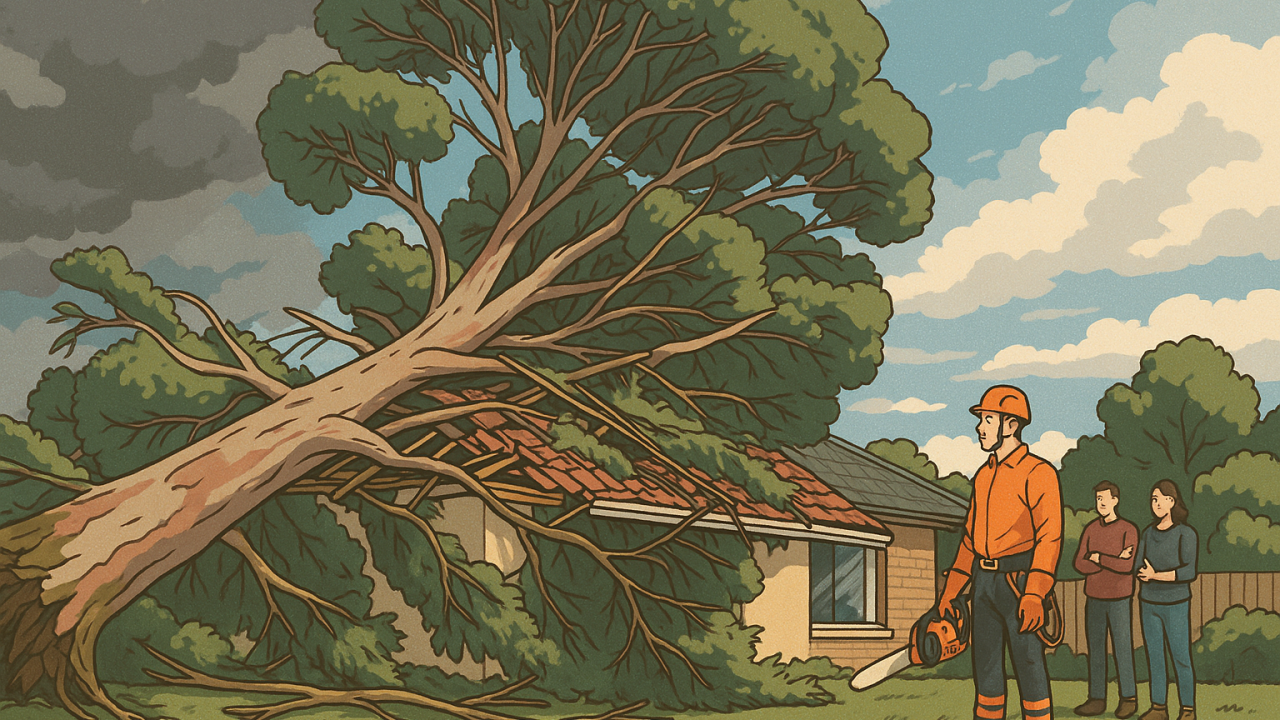
It’s a sound you will never forget—a sudden, violent crack followed by a deafening crash. A tree has fallen on your house. In that moment of shock, it’s hard to know what to do next. For homeowners in Torquay, Moriac, and across the Surf Coast, where winter storms and large, established trees are a part of life, this is an unfortunate reality for some. Navigating the aftermath is about two things: ensuring your family’s safety and starting the insurance process correctly. Here’s a clear, step-by-step guide to help you through it.
Before you think about photos, insurance, or repairs, you must ensure everyone is safe.
Do not play the hero: Do not climb on the roof or attempt to cut or move any part of the tree yourself. The tree could shift, causing further damage or serious injury.
Once you are sure the immediate area is safe, document everything for your insurance claim. This is a crucial step. From a safe position on the ground, use your phone to take extensive photos and videos. Capture the scene from multiple angles, including:
There is no such thing as too many photos. This evidence will be vital for your insurer.
As soon as possible, contact your insurance provider to lodge a claim. This is called making a “First Notice of Loss.” Have your policy number handy. They will guide you through their specific process, but you need to ask some key questions:
This last question is vital. “Make-safe” means taking action to prevent further damage, and your insurer will almost always approve this.
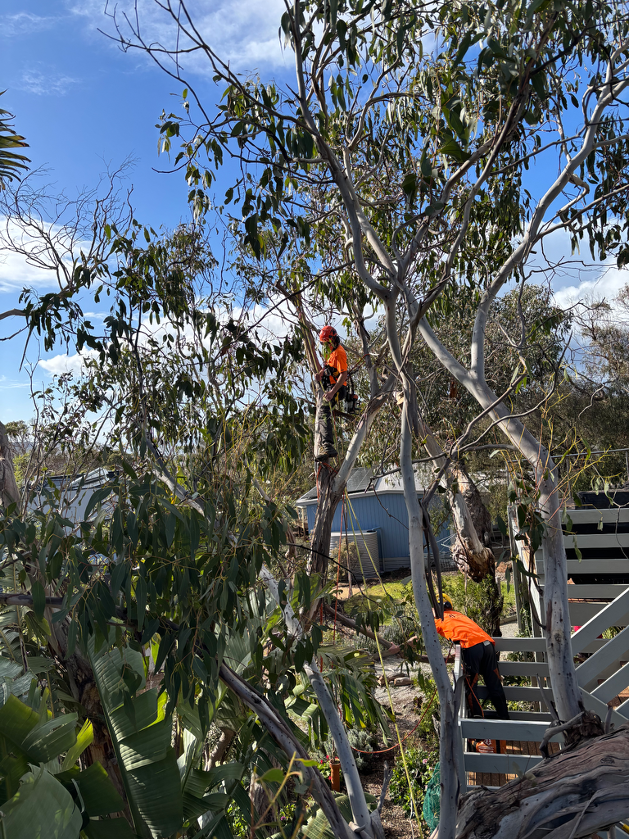
Your insurer will need you to get the tree off your house to prevent further structural damage and to allow for temporary repairs (like tarping the roof). This is where you need to call a professional.Contact a qualified and insured arborist, like Ocean Road Tree Services, for emergency tree removal. Explain the situation and that it is an insurance job. A professional service will:
Keep all receipts and paperwork from the emergency service provider.
After the immediate danger is removed, the formal repair process begins. Your insurer will likely send an assessor to inspect the damage and approve quotes for the permanent repairs to your home. Once the clean-up is complete, you may also need to consider stump removal to deal with the remains of the tree in your yard. Having a tree fall on your home is a deeply stressful event, but by following these steps—Safety, Document, Call, Make-Safe—you can navigate the process calmly and effectively. As your local experts, we’re here to help the Surf Coast community with the critical tree-work component, ensuring it’s handled safely and professionally to support your insurance claim.