- 2072 Pinnickinick Street, WA 98370
- [email protected]
- Serving the Surf Coast & Nearby Areas
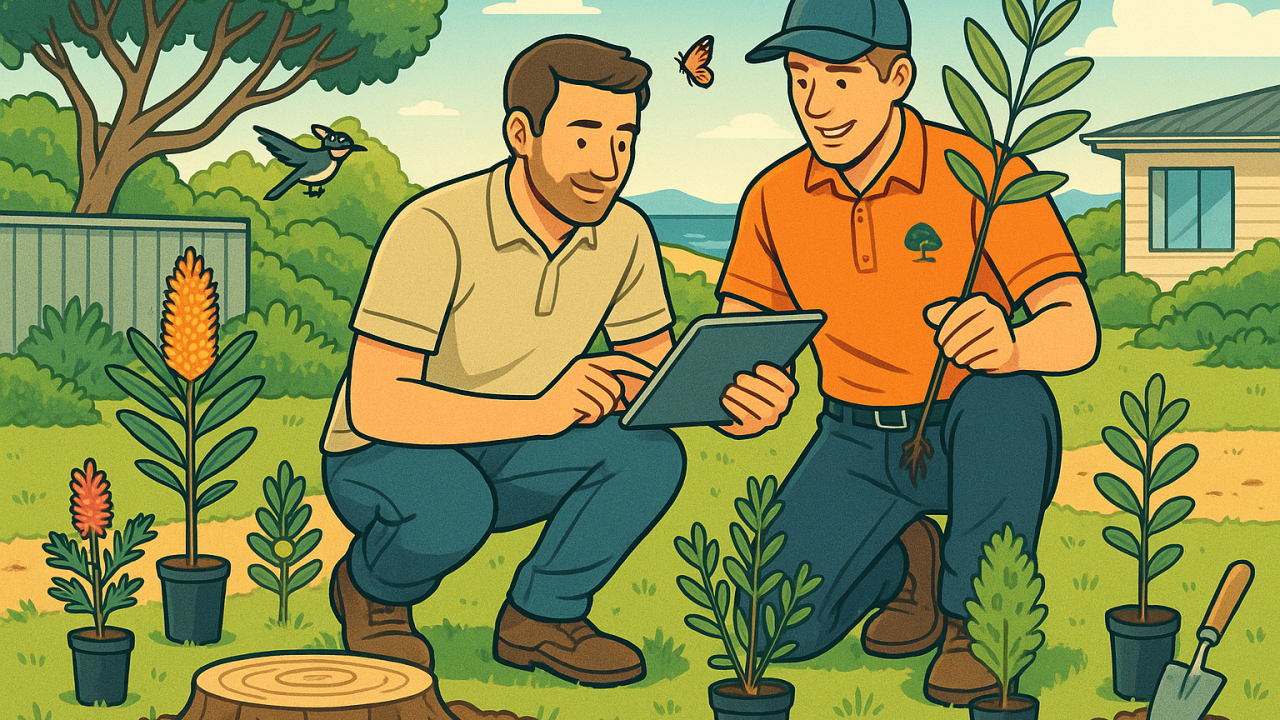
When you look at the magnificent trees adorning properties across the stunning Surf Coast and vibrant Geelong region, you likely appreciate their beauty, shade, and ecological value. Sometimes, for safety or development, a tree needs to be removed. At Ocean Road Tree Services, we understand this. We also believe in the bigger picture of sustainable land management. The act of replanting, particularly with native species, is a powerful way to give back to our local ecosystem and enhance your property for generations to come.
This guide will help you understand what native trees thrive in our beautiful region, empowering you to make informed choices for your backyard. Even if our primary business is not planting, we are deeply committed to fostering healthy landscapes across the Surf Coast, Geelong, and Torquay. Our expertise in tree health and management means we can advise on site suitability and long-term care for your new green additions. Learn more about our commitment to responsible tree care on our homepage.
Opting for native trees in your garden offers a multitude of benefits, particularly suited to our local conditions:
Preserving Local Character: Planting native species helps to maintain the distinctive natural beauty and ecological character of the Surf Coast and Geelong region, integrating your property seamlessly with the surrounding landscape.
Before you grab a shovel, a little planning goes a long way. Choosing the “right tree for the right place” is crucial for its long-term success and to avoid future problems:
Consulting with a local arborist, like Ocean Road Tree Services, can provide invaluable site-specific advice before you plant, ensuring your new tree has the best chance to flourish.
Here’s a list of diverse native trees known to thrive in our region, ranging from smaller options for urban gardens to larger specimens for more spacious properties:
Correa ‘Pink Bells’ or ‘Dusky Bells’ (Correa reflexa cultivars): A fantastic small shrub/tree that provides nectar during autumn and winter, a crucial food source for honeyeaters when little else is flowering.
Sweet Bursaria (Bursaria spinosa): A prickly shrub or small tree, vital for protecting small birds and providing summer flowers that attract a huge array of insects.
Future Habitats: By planting these native trees, you’re not just greening your garden; you’re investing in future Tree Hollow Habitats. While it takes many decades, mature native trees are the ones that will eventually form the essential hollows needed by future generations of birds and wildlife. Learn more about our efforts in creating immediate Tree Hollow Habitats for local wildlife.
At Ocean Road Tree Services, we understand that sometimes, for safety, health, or development reasons, tree removal is a necessary part of property management. However, we also champion the principle of responsible replanting. When a tree is removed, especially a mature one, consider it an opportunity to contribute to the future of our local environment.
Replacing removed trees with suitable native species helps to restore ecological balance, maintains tree canopy cover, and ensures that the long-term benefits of trees continue for generations to come. It’s a powerful statement of environmental stewardship and a tangible way to offset the impact of necessary removals.
Planting native trees is one of the most impactful ways you can enhance your property’s value, support local biodiversity, and contribute to the unique natural beauty of the Surf Coast and Geelong regions. It’s about thinking long-term and creating a thriving, sustainable landscape.
While our core expertise lies in professional tree removal, pruning, and complex arborist assessments, we are always here to offer advice on species selection and site preparation to ensure your new plantings flourish. Partner with Ocean Road Tree Services to ensure healthy, vibrant trees for your property, from removal to responsible replanting.
Contact us today to discuss your tree management needs or to get advice on selecting the perfect native trees for your Surf Coast or Geelong backyard. Explore our full range of services on our homepage.