- 2072 Pinnickinick Street, WA 98370
- [email protected]
- Serving the Surf Coast & Nearby Areas
The trees on our properties are more than just part of the landscape; they are living assets that provide shade, beauty, and character to our homes here in Torquay and across the Surf Coast. But like all living things, they have a lifespan and can fall victim to disease, stress, or old age. Recognising the early warning signs of a dying tree is crucial. It allows you to intervene where possible, or more importantly, to act before the tree becomes a significant safety hazard. Here are five key signs to look out for.
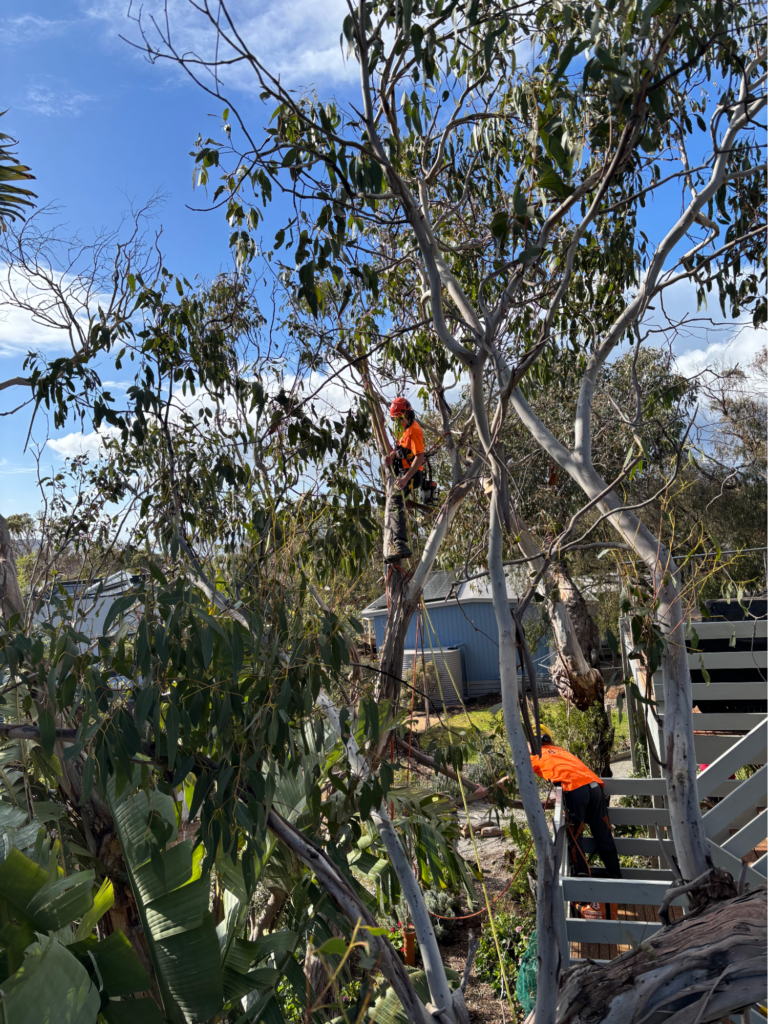
This is one of the most obvious signs. If you see large branches in the canopy that are bare of leaves, brittle, and have peeling bark, you’re looking at deadwood. While a small amount of deadwood can be normal, a significant number of dead branches, especially in the upper canopy, is a strong indicator that the tree is in serious decline. These branches are a major hazard as they can snap and fall at any time, posing a risk to your home and family.
The trunk is the backbone of the tree. Take a close look at the bark. While some trees, like paperbarks, naturally shed their bark, deep vertical cracks, large patches of missing bark, or cavities in the trunk are serious red flags. These wounds compromise the tree’s structural integrity and create an entry point for pests and diseases that can accelerate its decay from the inside out.
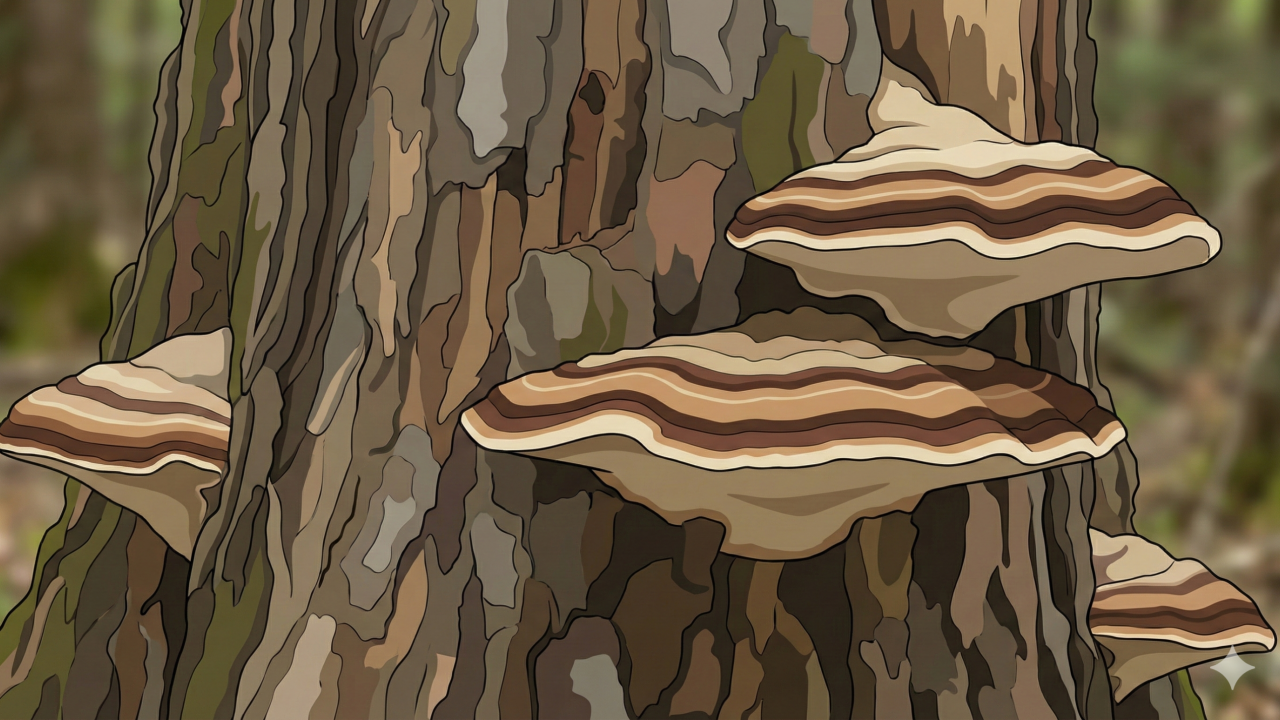
Have you noticed mushrooms or large, shelf-like fungi growing on the trunk or around the base of your tree? While some fungi are harmless, many of the types that grow directly on a tree are wood-decaying fungi. Their presence is a strong external sign that the tree is rotting internally. This internal decay can severely weaken the tree, making it unstable and prone to failure long before it looks completely dead on the outside.
A healthy tree should have a full, vibrant canopy during its growing season. If your deciduous tree fails to leaf out properly in spring, or an evergreen tree’s foliage looks sparse, yellow, or brown, it’s a clear sign of stress. This could be due to root damage, disease, or a pest infestation. If one entire side of the tree is bare, it can often point to a problem with the root system on that same side.
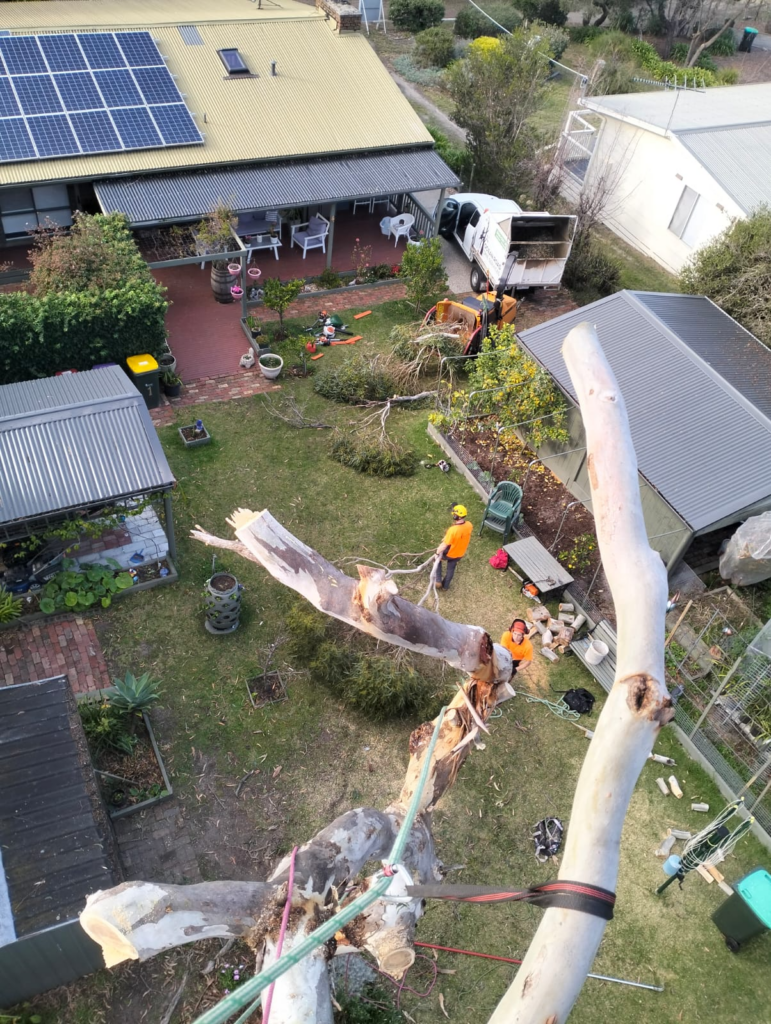
A tree that has always had a slight lean is generally not a cause for concern, as it has grown that way and developed a root system to support itself. However, if a previously upright tree suddenly starts to lean, or an existing lean becomes more pronounced, it’s an immediate danger sign. This often indicates root failure or that the ground has become unstable. Look for heaving soil and exposed roots on the side opposite the lean.
If you spot one or more of these signs on a tree on your Surf Coast property, the worst thing you can do is ignore it. The first and most important step is to get a professional assessment. An experienced arborist can diagnose the problem and determine if the tree can be saved through tree pruning or other treatments. For a comprehensive evaluation, a formal arborist report can provide a detailed analysis of the tree’s health, structure, and risk level. In cases where the tree is too far gone and poses a significant risk, a safe and professional tree removal is the only responsible option. Don’t leave it to guesswork. Contact Ocean Road Tree Services today for an expert opinion to ensure the safety and health of your property.