- 2072 Pinnickinick Street, WA 98370
- [email protected]

- Serving the Surf Coast & Nearby Areas
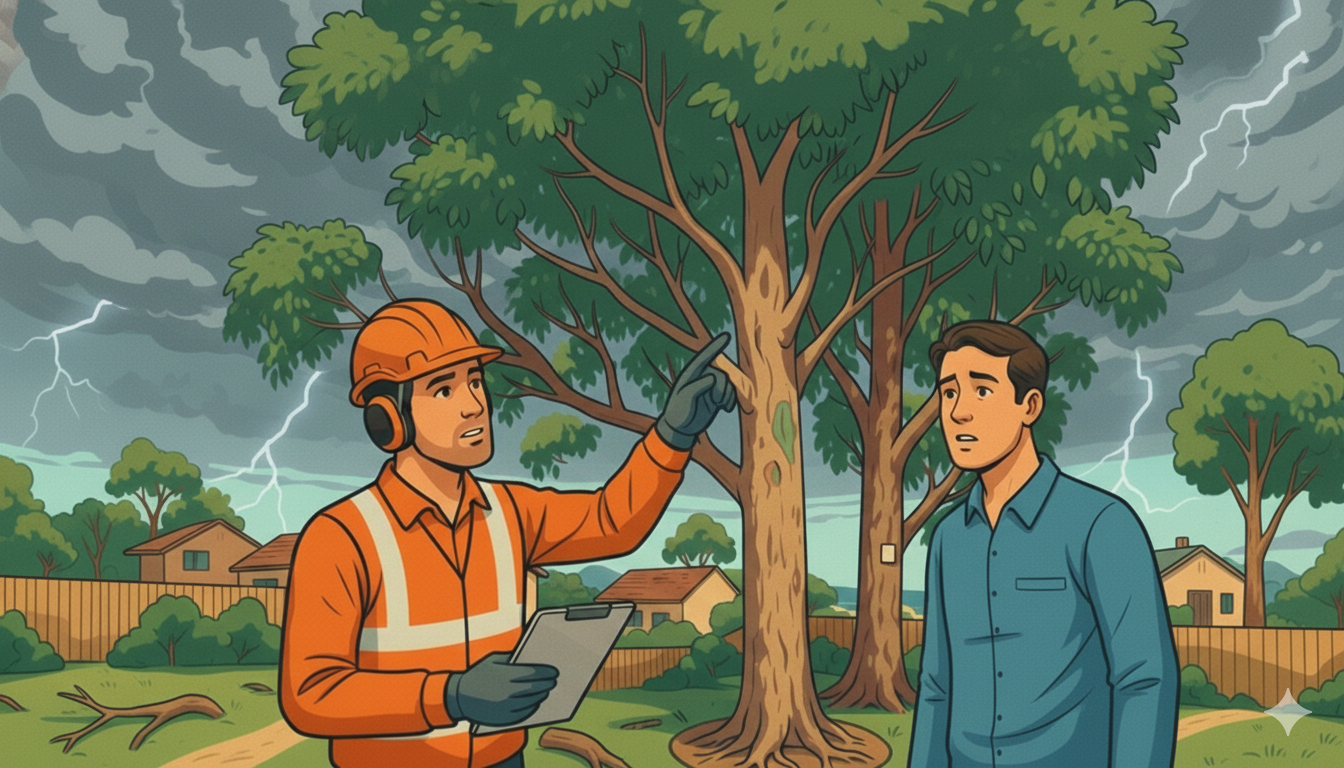
Every year, residents across Victoria brace for storm season, securing outdoor furniture and clearing gutters. But many overlook one of the biggest potential hazards on their property: their trees. An otherwise healthy-looking tree can become a serious liability when faced with gale-force winds and heavy rain. The good news is that you can take proactive steps to protect your property and preserve your valuable trees. Strategic and professional tree pruning is the single most effective measure to prepare your trees to withstand the wildest weather.
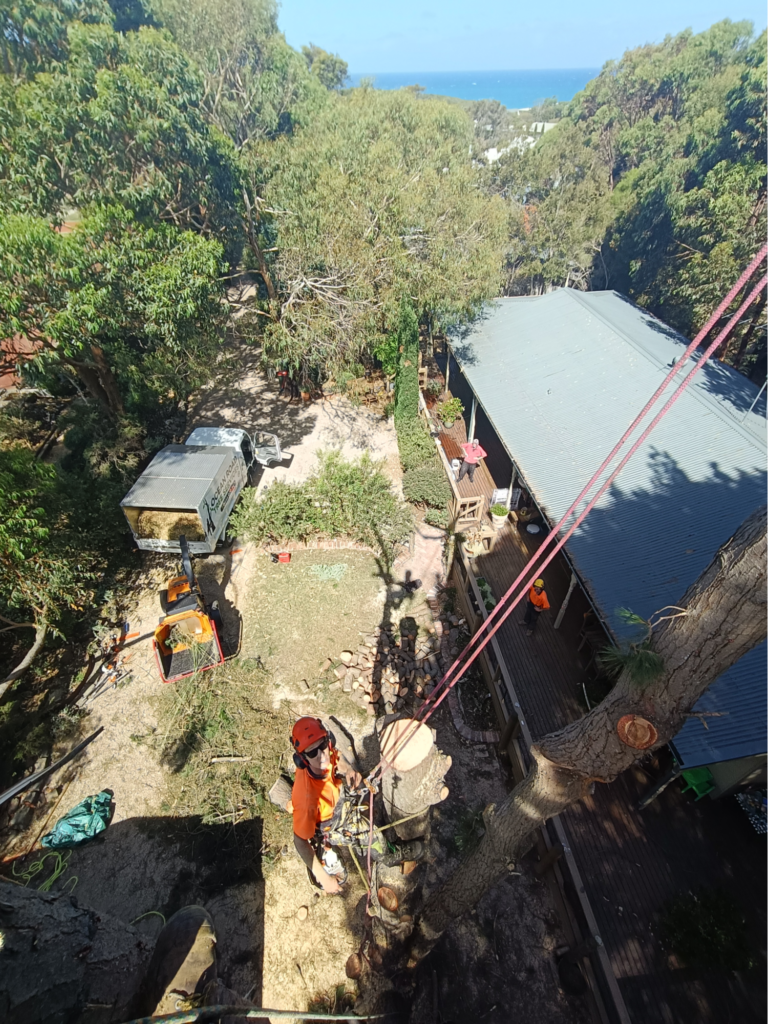
A dense, overgrown tree canopy acts like a massive sail in high winds. The force exerted on the branches and trunk is immense. When this force combines with rain-soaked soil that loosens the root ball’s grip, the risk of failure increases dramatically.
Several key factors make a tree vulnerable during a storm:
Ignoring these issues is a gamble. The aftermath can range from yard debris to costly damage to your home, vehicle, or utility lines, and in the worst cases, can lead to the need for emergency tree removal.
Storm-prep pruning is not about drastically changing the look of your tree; it’s a science-based approach to improving its resilience. A qualified arborist from a trusted provider like Ocean Road Tree Services will assess your trees and recommend specific actions.
This specialised tree trimming and hedge trimming service typically includes:
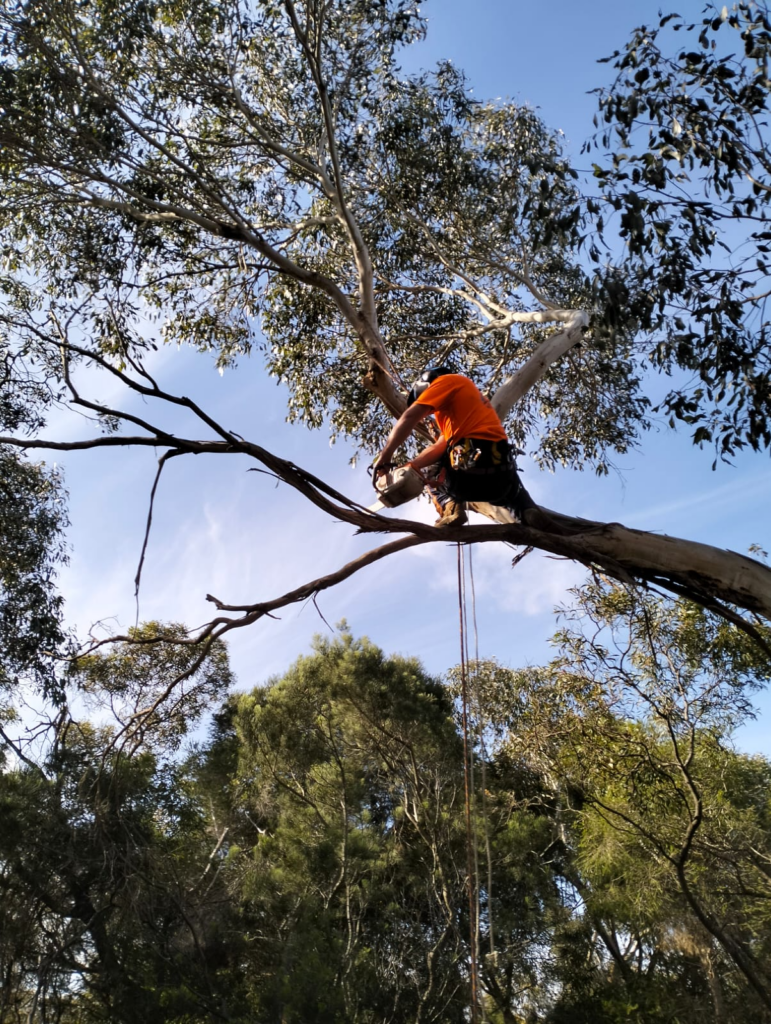
Before storm season is the ideal time to have your trees evaluated. A professional arborist can identify risks that are not always visible to the untrained eye. For a comprehensive overview, obtaining an arborist report is a wise decision. This detailed assessment provides a formal record of your trees’ condition, highlights potential hazards, and outlines a clear action plan for mitigation. It’s an invaluable tool for making informed decisions about your property’s safety. By investing in preventative care, you are not only safeguarding your home but also promoting the long-term health and vitality of your trees. A well-maintained tree is far more likely to survive a major storm and continue to grace your landscape for decades to come. Don’t leave it to chance. Be proactive and schedule a consultation to ensure your trees are a source of beauty, not a source of worry, when the next storm rolls in.